CLOSE KNIT
Stitched Together
Location Georges Hall NSW
Council Area Canterbury Bankstown Council
Details Complying Development Certificate
Architect Amrish Maharaj Architecture
Builder Scopeview Projects
Photography REM Design Studio
Completion 2025

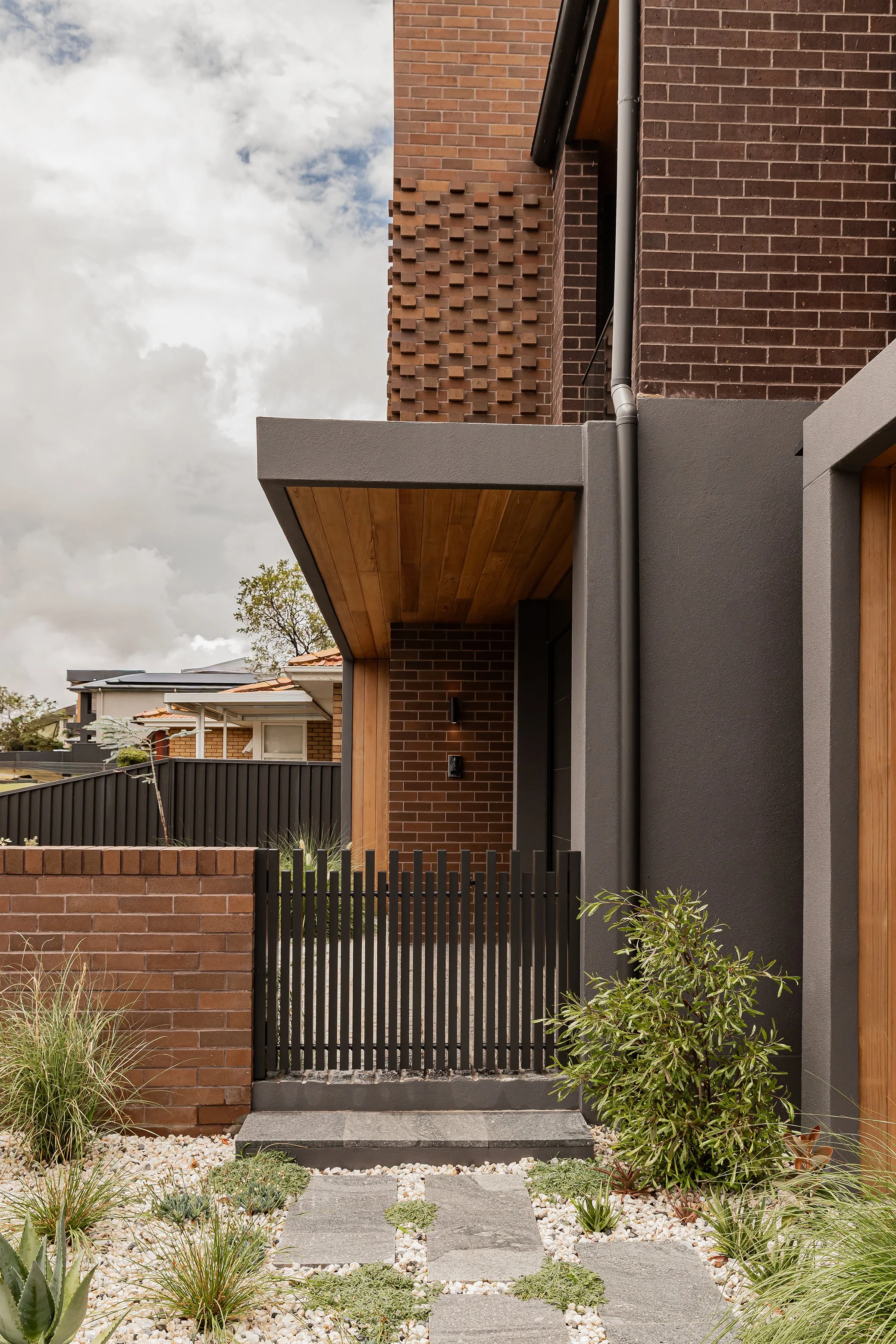
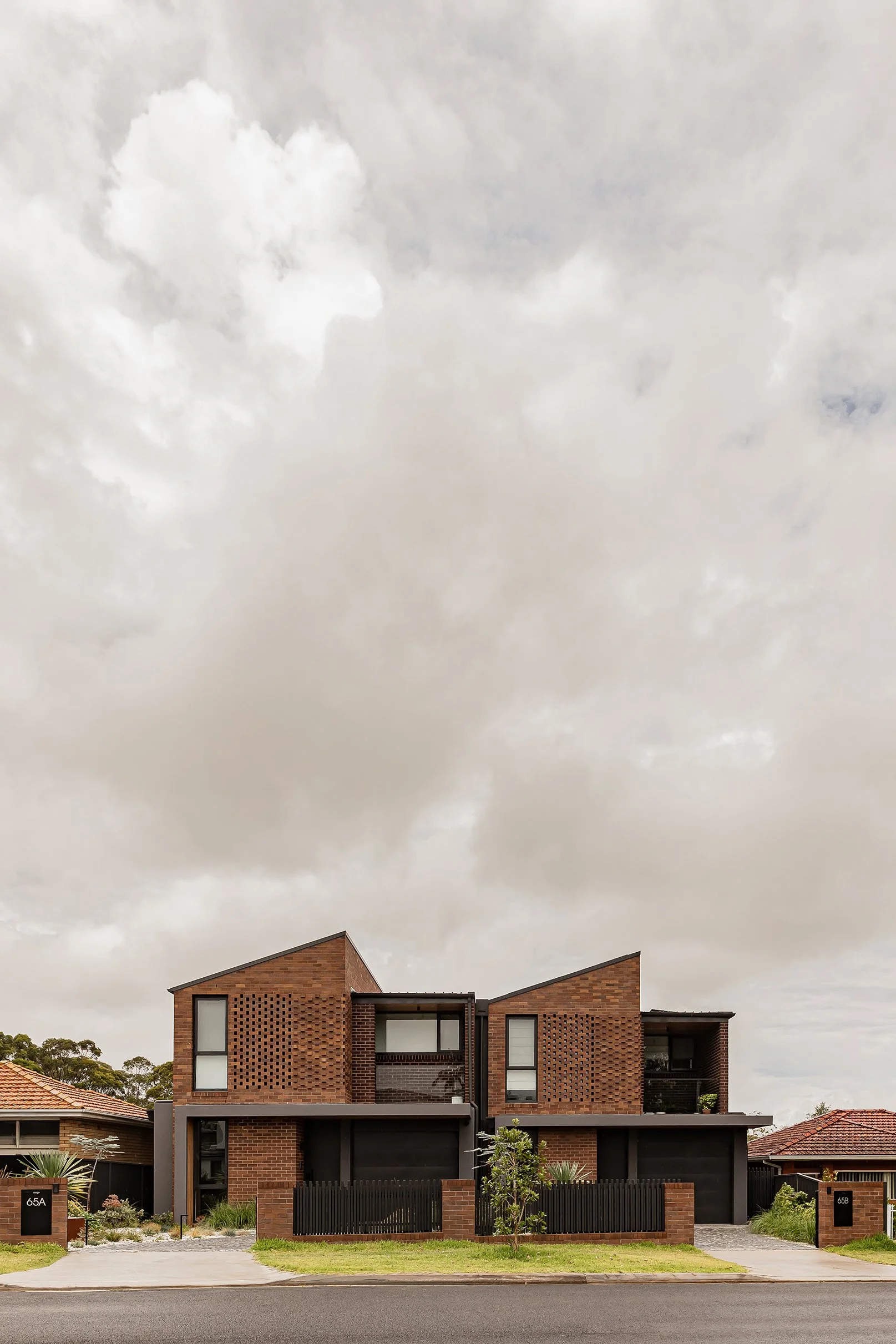
Close Knit explores inter-generational living through a dual occupancy model, where a knitted brick façade becomes both a material expression and a spatial analogue for a close-knit family structure.

Close Knit is a reimagining of a dilapidated suburban 1960s brick dwelling, replaced with a new dual occupancy development that carefully balances independence with connection, enabling a genuine model of multi-generational living. The original structure was no longer fit for purpose, and rather than retrofit, the project was resolved through a complete rebuild that allows two households — retired parents and their daughter’s young family — to live side by side while maintaining a strong sense of independence and identity.

The architectural response is grounded in a clear planning strategy, with two dwellings organised in a similar overall form to reinforce parity between generations, while allowing subtle deviations to suit each household’s way of living. This mirrored arrangement establishes a quiet rhythm to the streetscape, while concealing meaningful differences within.
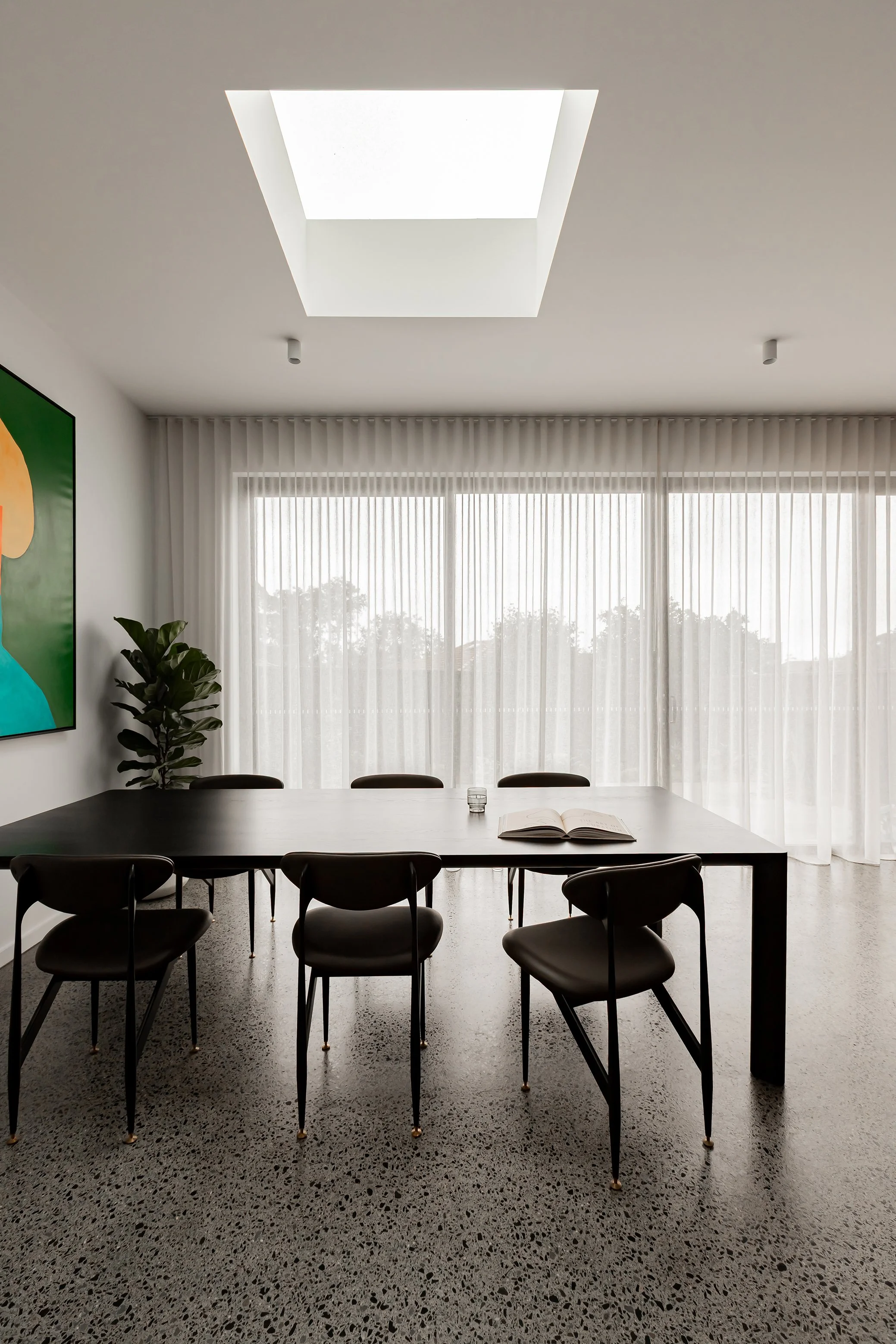
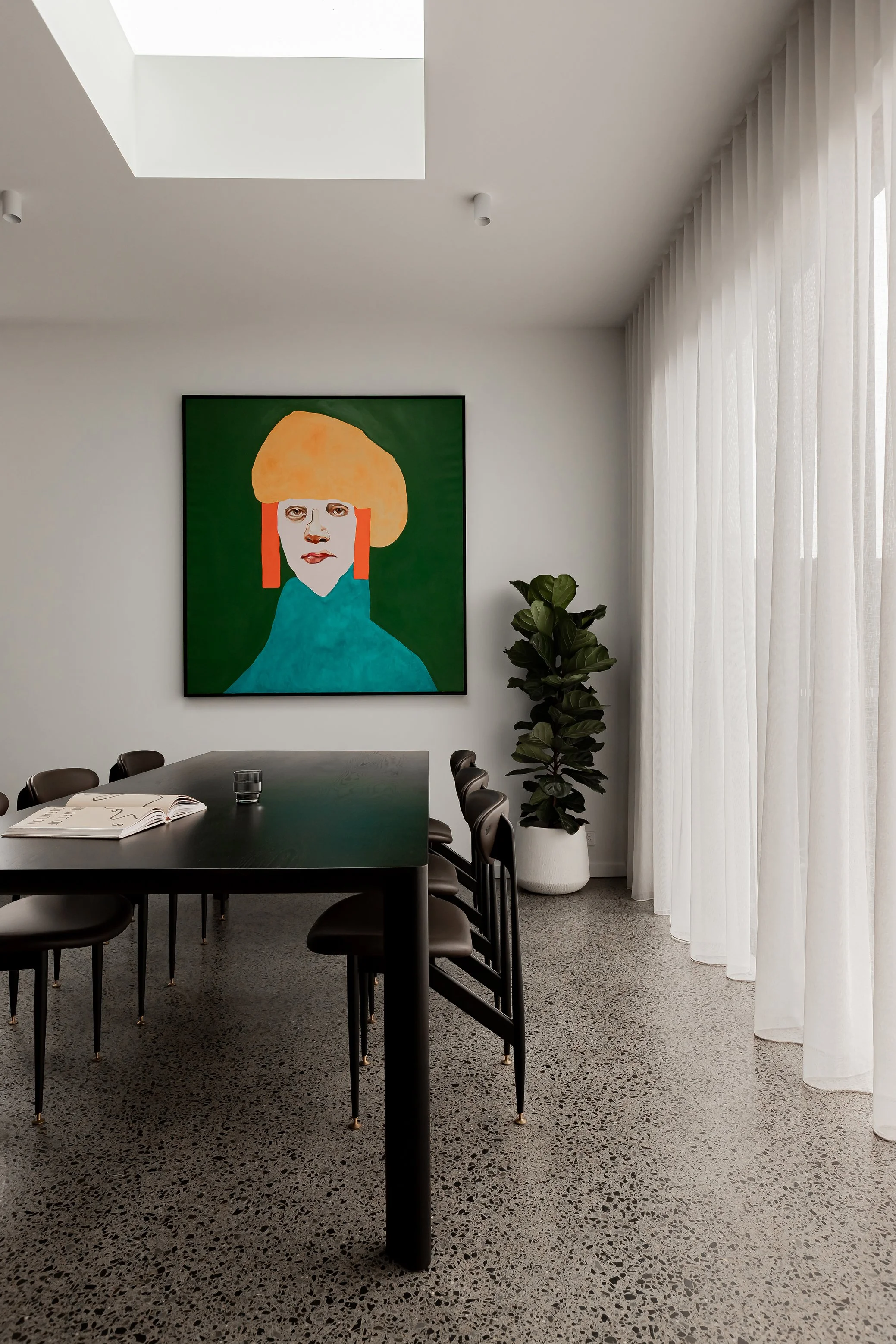
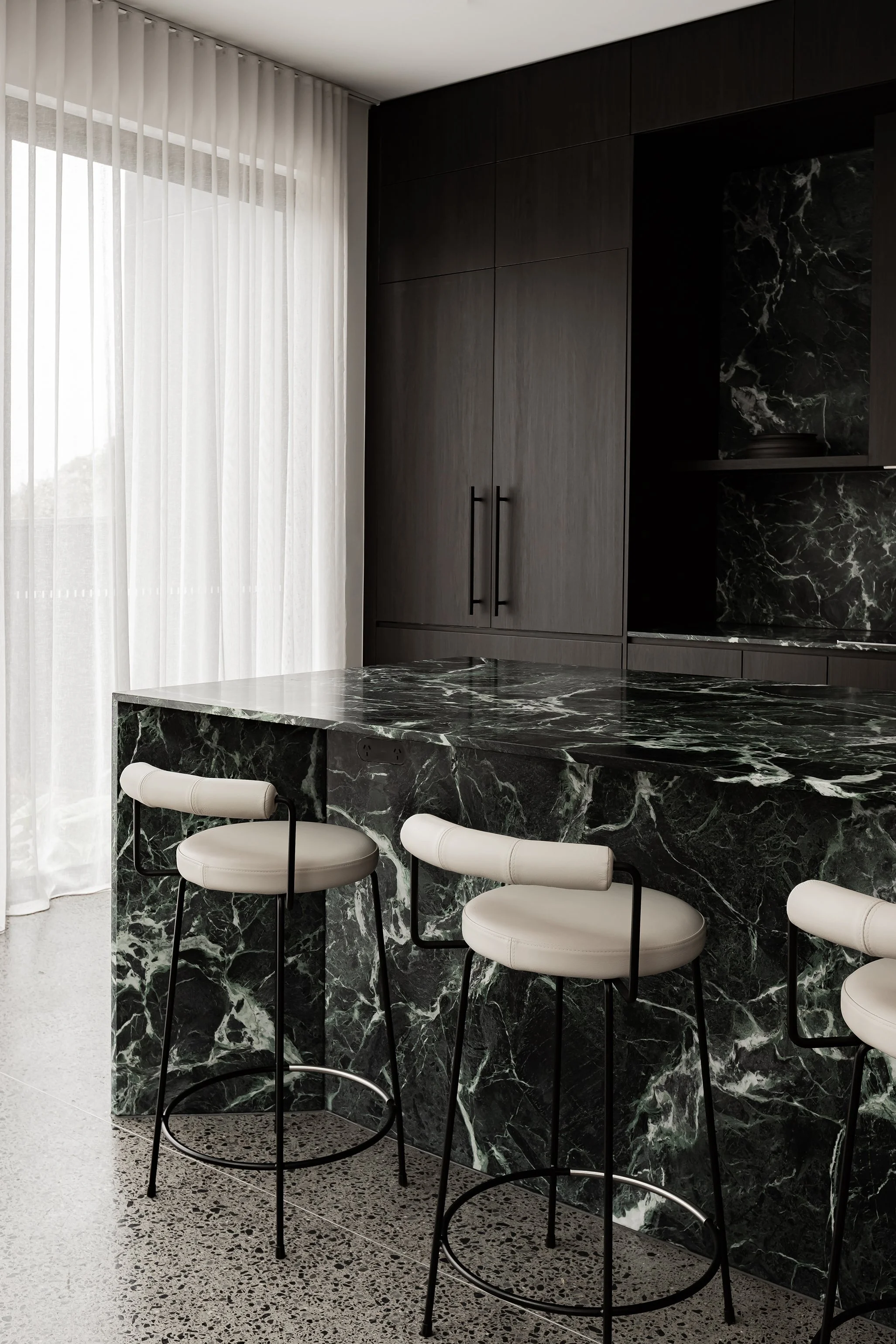
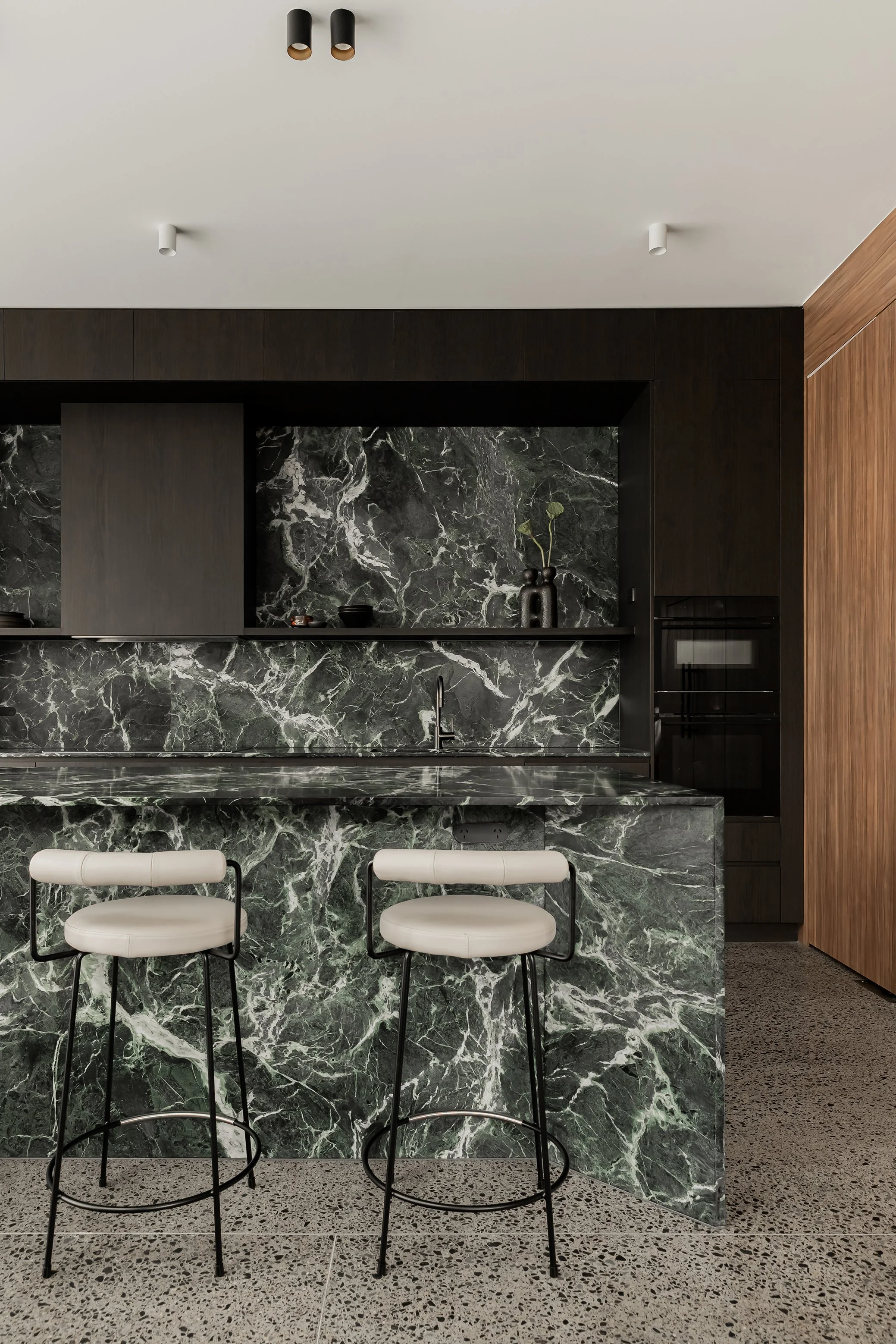
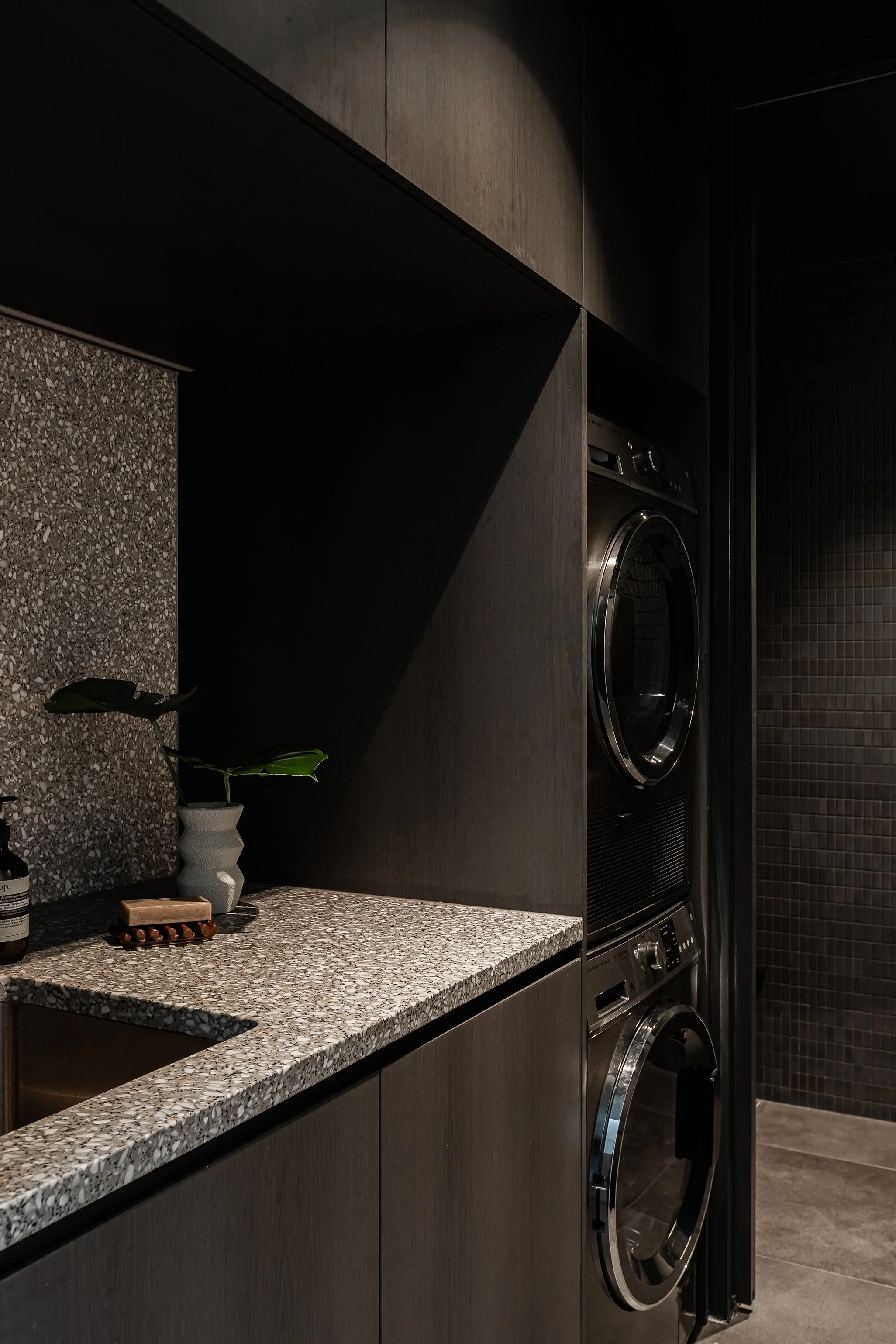
Internally, the two homes diverge further in character through material and tonal expression. The parents’ residence adopts a lighter, more natural palette that emphasises calmness and warmth, while the daughter’s family home introduces a bolder, more masculine finish palette, reflecting a different energy and pace of life.
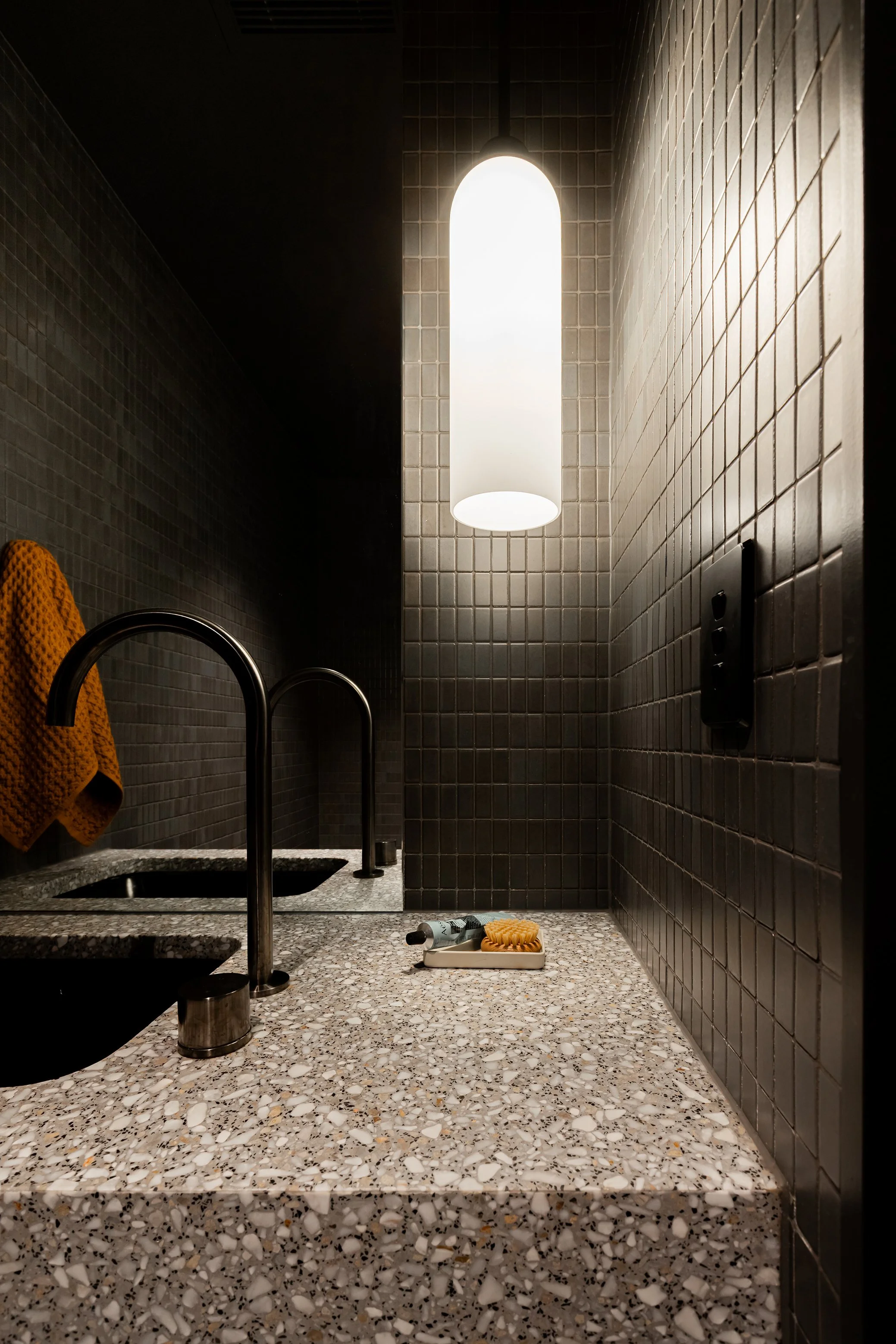
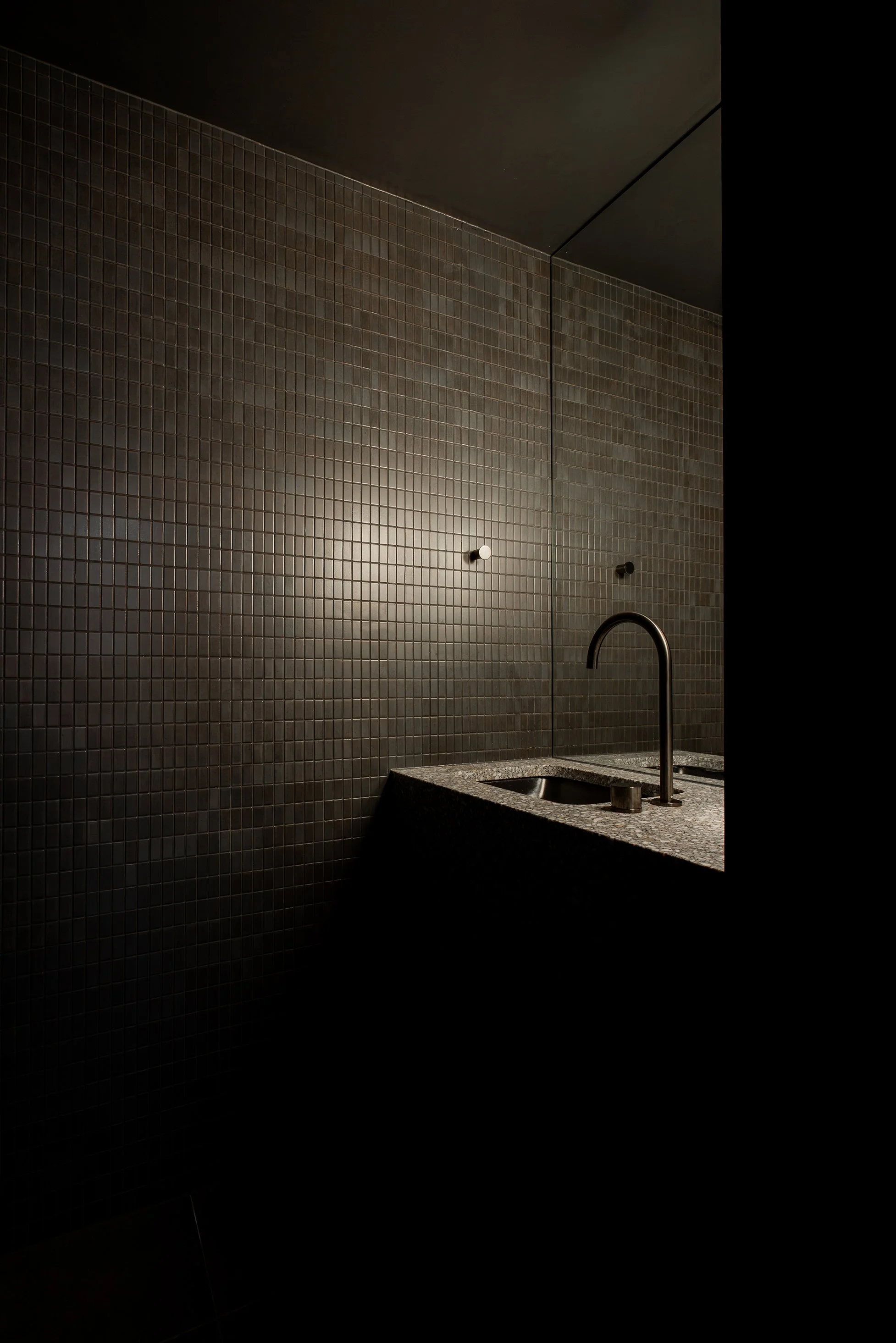


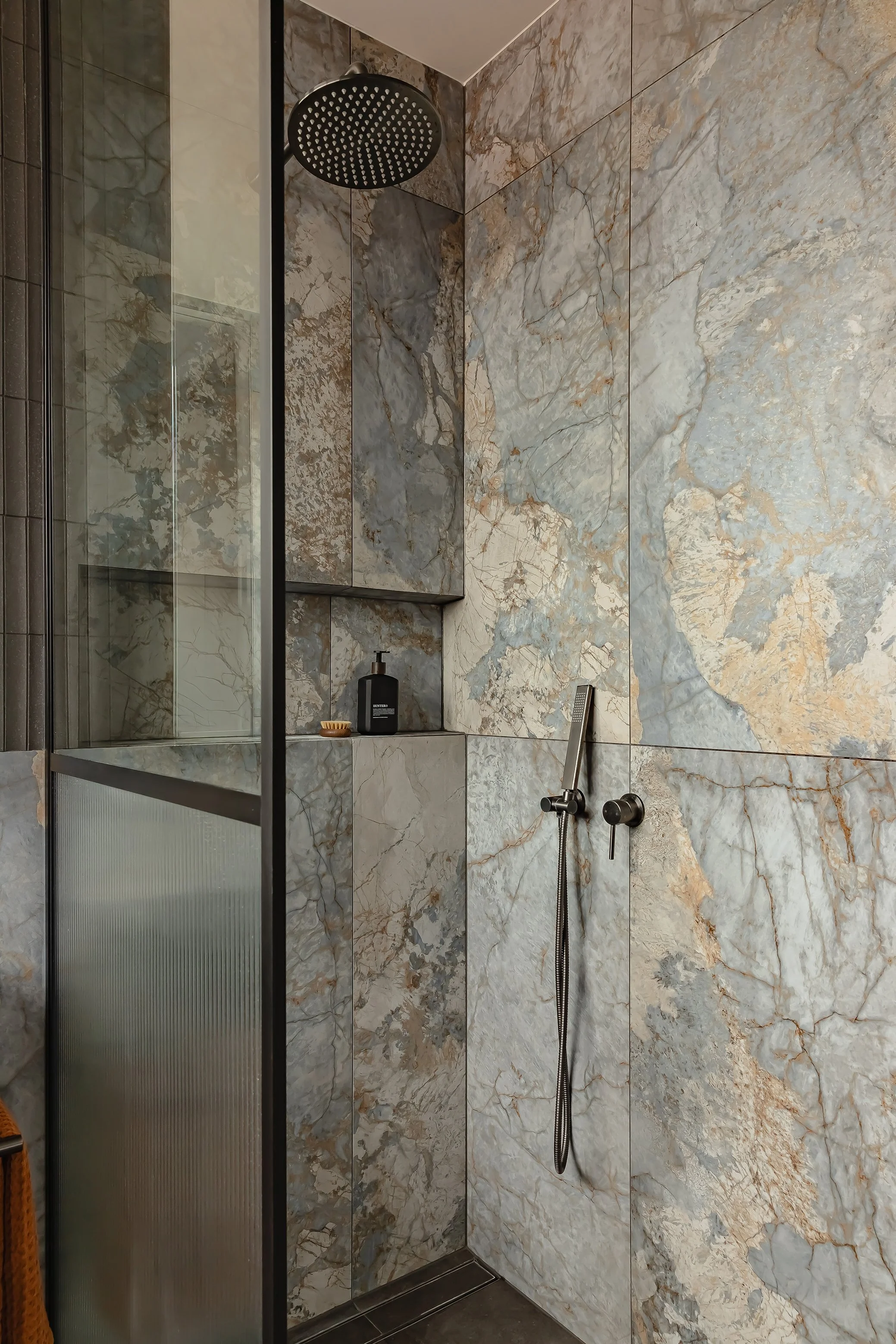

For the parents’ residence, the plan prioritises long-term livability, with a ground floor bedroom suite enabling them to age in place without reliance on stairs. In contrast, the daughter’s dwelling is configured around the demands of a young family, incorporating a dedicated home office with street outlook and a generous rumpus room for children’s activity and play.

A unifying thread throughout the project is the patterned brickwork that gives the project its name — a subtle reference to the mother’s knitting practice, translated into the architectural fabric of the building. This motif becomes both a material expression and a metaphor for the project as a whole: a close-knit family structure, where individual lives are distinct yet intrinsically connected.

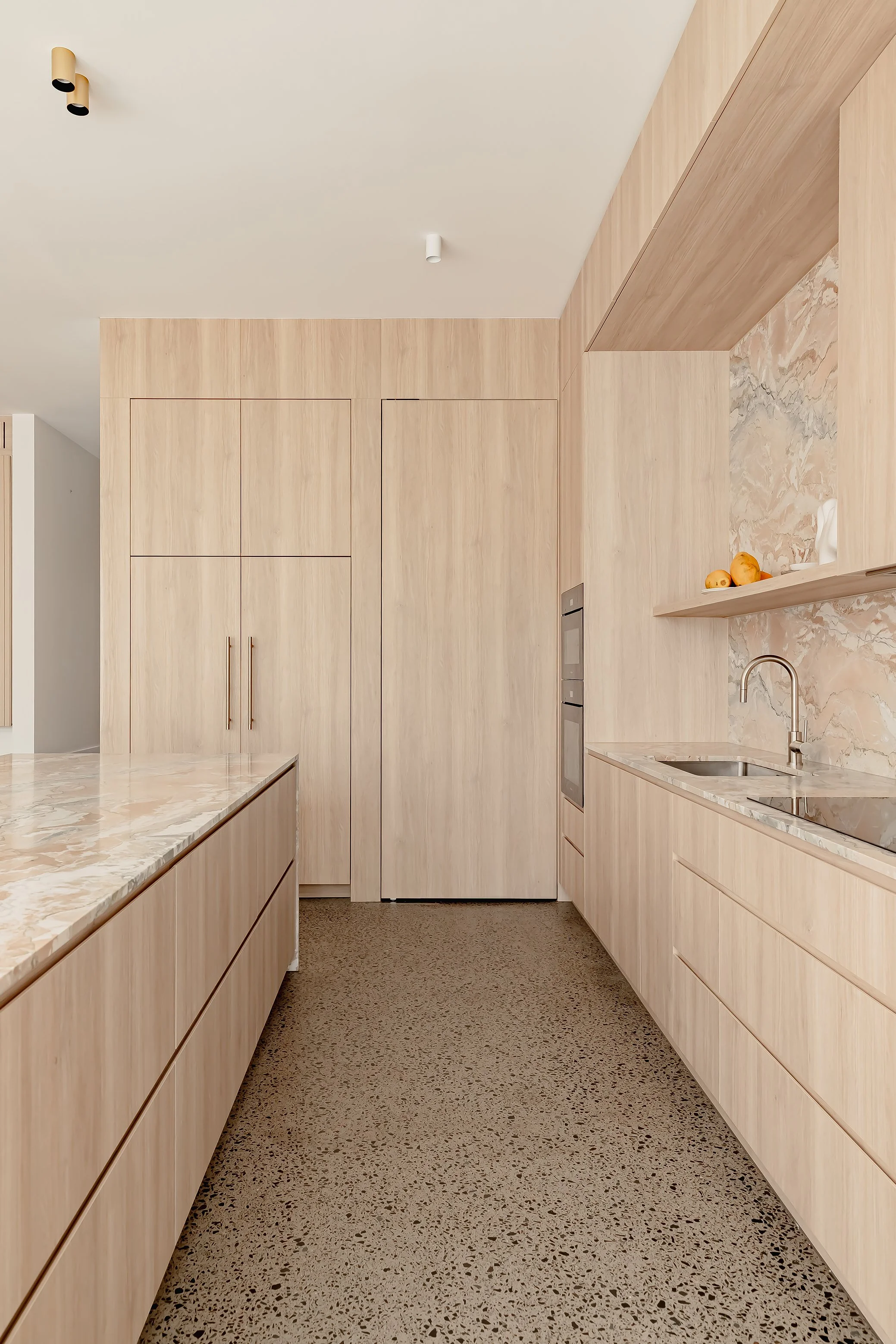

The result is a pair of homes that operate independently, yet remain deeply interwoven — a contemporary interpretation of extended family living, where architecture supports both togetherness and separation in equal measure.


